Hey everyone! It’s your go-to blog influencer here, and let me tell you, diving into the world of mobile game streaming has been an absolute blast, especially with a game as visually stunning and addictive as Goddess of Victory: Nikke.
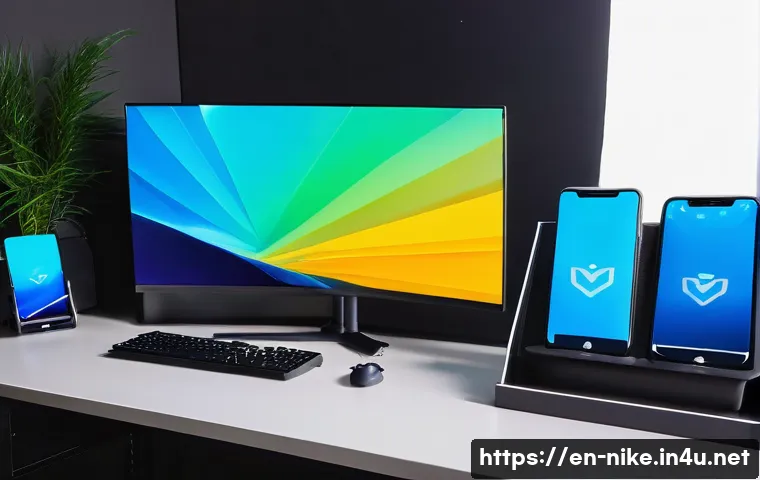
I’ve personally spent countless hours perfecting my setup, trying to get that buttery-smooth frame rate and crystal-clear audio that makes all the difference when you’re showcasing your best waifus and clutch battle moments.
It’s not just about hitting the ‘Go Live’ button anymore; in today’s super competitive streaming landscape, you need every edge to stand out, attract more viewers, and keep them engaged.
If you’re like me, you want your streams to look professional, run flawlessly, and truly capture the essence of Nikke for your audience. Getting those high-quality streams and a vibrant community isn’t just a dream; it’s totally achievable with the right know-how.
Are you ready to take your Nikke streams from good to legendary? Tired of dropped frames, pixelated waifus, or audio issues that drive viewers away? I totally get it, I’ve been there, pulling my hair out trying to figure out why my stream wasn’t as crisp as I wanted.
From maximizing your device’s performance to choosing the perfect streaming software and crafting engaging overlays, there’s a whole world of optimization waiting to be explored.
We’re talking about making sure your Nikke pulls look epic and your tactical prowess shines through without any technical hitches. I’ve personally experimented with countless settings and setups, and I’m here to share what truly works.
Let’s dive deeper into optimizing your Goddess of Victory: Nikke streaming experience and get you on the fast track to captivating your audience.
Optimizing Your Device for Peak Nikke Performance
Let’s be real, before you even think about hitting that “Go Live” button, your device needs to be in tip-top shape. I’ve seen so many aspiring streamers overlook this crucial first step, and trust me, it’s a game-changer.
I remember trying to stream Nikke on an older tablet, and it was a pixelated nightmare with constant frame drops, completely ruining the immersion for both me and my handful of viewers.
It was a frustrating experience, and honestly, a bit embarrassing. What I learned the hard way is that Goddess of Victory: Nikke, with its stunning visuals and action-packed sequences, demands a decent amount of processing power.
You want those beautiful waifus to look their absolute best, and for your tactical maneuvers to be as smooth as silk, not a choppy mess. This isn’t just about making the game look good; it’s about ensuring your streaming software has enough resources to capture and transmit that high-quality footage without turning your device into a burning ember.
We’re talking about getting every ounce of performance out of your phone or emulator so your audience gets to see the game exactly as it’s meant to be played, crisp and responsive.
Optimizing your device isn’t just a recommendation; it’s a foundational step that sets the stage for a truly professional and engaging stream, and I’m going to walk you through exactly what I do to get my setup ready.
Boosting Your Phone’s Gaming Power
If you’re streaming directly from your mobile device, like I often do when I’m out and about, there are a few tricks I swear by. First, always close all background apps.
Seriously, every single one. Those rogue apps are silently munching on your RAM and CPU cycles, leaving less for Nikke and your streaming app. It’s like trying to run a marathon with an extra 50 pounds strapped to your back!
I also make sure my phone is fully charged or, even better, plugged in and charging, especially if it has a “bypass charging” feature to prevent battery degradation and overheating.
Overheating is the enemy of performance; a hot phone will inevitably throttle its CPU, leading to those dreaded frame drops. Lowering your in-game graphics settings in Nikke itself can also make a huge difference.
While it might seem counterintuitive to lower quality, a stable 60 FPS on medium settings looks far better than a stuttering 30 FPS on ultra. Experiment with these settings in a practice run before you go live, finding that sweet spot between visual fidelity and buttery-smooth performance.
Trust me, your viewers will appreciate the smooth gameplay more than a few extra pixels.
Emulator Optimization for PC Streamers
For those of us who prefer the larger screen and keyboard controls, streaming Nikke via an Android emulator on PC is the way to go. I’ve tried several, and my personal favorite for Nikke is often BlueStacks or LDPlayer, but your mileage may vary.
The key here is allocating enough CPU cores and RAM to the emulator in its settings. Don’t be shy; if your PC has 8 cores, give the emulator 4 or even 6, and bump up the RAM to at least 4GB, preferably 6GB or 8GB if you have it.
This ensures the emulator can run Nikke smoothly while your streaming software does its heavy lifting on your actual PC. Enable high frame rate options within the emulator and make sure your PC’s virtualization technology (VT-x or AMD-V) is enabled in your BIOS – this is a huge performance booster that many people forget about!
Also, keep your PC’s graphics drivers updated. A quick check on NVIDIA, AMD, or Intel’s website for the latest drivers can often yield surprising performance gains.
I can’t stress enough how much of a difference these settings make; it’s the difference between a sluggish, frustrating experience and a vibrant, lag-free stream that truly captures the game’s energy.
Picking the Perfect Streaming Software: My Tried and True Tools
Alright, you’ve got your device humming, now it’s time to talk about the brains behind the operation: your streaming software. This isn’t just about getting your game on screen; it’s about how elegantly and efficiently your stream is processed and sent out to the world.
I’ve personally experimented with a whole slew of options, from simple mobile apps to professional-grade desktop solutions, and let me tell you, the right choice can make or break your stream’s quality and your sanity.
There was a time when I thought all streaming software was pretty much the same, and I just picked the first free option I saw. Big mistake! I ended up with pixelated video, audio desync issues, and a general sense of despair.
Learning how to properly configure my software was a steep curve, but it was absolutely essential. It’s not just about the features; it’s about stability, ease of use, and how well it integrates with your specific streaming platform and setup.
You want something that offers flexibility without being overly complicated, allowing you to focus on engaging with your audience and showcasing your amazing Nikke skills, rather than wrestling with technical glitches.
Mobile Streaming Apps for On-the-Go Nikke Action
For those spur-of-the-moment streams or when I’m away from my main setup, mobile streaming apps are a lifesaver. My personal favorites for streaming Goddess of Victory: Nikke directly from my phone are Omlet Arcade and Streamlabs Mobile.
Omlet Arcade is incredibly user-friendly and offers a quick setup process, letting you get live in minutes. It has decent overlay options and a built-in community which is a nice bonus.
Streamlabs Mobile, on the other hand, provides a more robust feature set, feeling a bit closer to a desktop experience with more customization for overlays, alerts, and chat integration.
The key with both is to dive into their settings and optimize your resolution and bitrate. I usually aim for 720p resolution at 30-45 frames per second with a bitrate around 2500-3500 kbps, depending on my internet upload speed.
Pushing it too high can cause dropped frames, while too low will make your Nikke waifus look like pixelated art. It’s a delicate balance, and I always do a quick test stream to ensure everything looks good before going truly live.
Desktop Powerhouses for Professional Streams
When I’m at home and want to deliver the absolute best quality Nikke stream possible, nothing beats desktop software. OBS Studio is the undisputed king here, and it’s completely free!
Yes, the initial setup can feel a bit daunting with all its options, but there are tons of tutorials out there (and I might even do one myself soon!).
The sheer power and flexibility of OBS allow you to create stunning, professional-looking streams with multiple scenes, complex overlays, and precise audio control.
Another fantastic option is Streamlabs Desktop (formerly Streamlabs OBS), which is built on OBS but offers a more streamlined interface and integrates many popular streaming widgets directly.
While it might consume a bit more system resources than vanilla OBS, its ease of use for beginners is a huge draw. For both, make sure you’re using hardware encoding (NVENC for NVIDIA GPUs, AMF for AMD GPUs) if your graphics card supports it, as this offloads the encoding process from your CPU, leading to better game performance.
I typically stream at 1080p, 60 FPS, with a bitrate of 4500-6000 kbps, which provides a fantastic viewing experience for Nikke’s vibrant art style and fast-paced combat.
Crafting a Visually Stunning Stream: Overlays and Aesthetics
Beyond just getting the game on screen, making your Nikke stream visually appealing is absolutely critical for standing out in the crowded streaming landscape.
I remember when I first started, my stream was just the game, full screen, with nothing else. It was bland, impersonal, and honestly, a bit boring. Viewers want to feel like they’re part of something unique, not just watching raw gameplay.
Adding well-designed overlays, alerts, and branding elements completely transformed my channel, making it feel more professional and inviting. It’s like decorating your virtual living room; you want it to be a place people enjoy hanging out in.
I’ve spent countless hours tweaking colors, fonts, and placement, sometimes agonizing over the smallest details, but it truly pays off in viewer retention and engagement.
A visually cohesive stream signals to your audience that you care about your content and your community, and it helps reinforce your brand, even for a casual game like Nikke.
It’s about creating an atmosphere that reflects your personality and makes your stream instantly recognizable and memorable.
Designing Engaging Overlays and Alerts
Overlays are your stream’s wardrobe, giving it personality and professionalism. For Goddess of Victory: Nikke, I recommend incorporating elements that complement the game’s aesthetic.
Think sleek, futuristic designs, or perhaps something that subtly echoes the game’s military-sci-fi theme. Tools like Canva (for simple graphic design) or more advanced software like Photoshop/GIMP can help you create custom assets.
If design isn’t your strong suit, platforms like StreamElements or NerdOrDie offer fantastic pre-made overlay packages that are easily customizable. Your overlay should include space for your webcam, the game capture, and subtle branding like your channel name or logo.
Dynamic alerts for new followers, subscribers, or donations are also a must. I love seeing the little animations pop up; they make viewers feel seen and appreciated.
Just be sure these alerts aren’t too intrusive or distracting from the gameplay itself. I learned this the hard way when an overly large alert blocked a crucial part of my screen during a boss fight!
Branding Your Nikke Stream for Recognition
Consistent branding is what turns casual viewers into loyal fans. This means using the same color scheme, font, and overall visual style across your overlays, channel banners, and social media profiles.
When someone sees your stream, they should instantly recognize it as yours. Consider creating a unique logo or icon that represents your channel. For Nikke streamers, you might incorporate imagery from the game, like a silhouette of your favorite Nikke or a subtle reference to a faction.
Your “be right back” screen and “stream ending” screen are also prime real estate for branding and leaving a lasting impression. Don’t forget to link your social media handles clearly on your “about me” section and periodically mention them during your stream.
I’ve found that a strong visual identity not only makes your stream more appealing but also helps people remember you and find you again, building that crucial sense of community around your Nikke content.
Crystal Clear Audio: Sound Setup for Success
If there’s one area where many new streamers fall short, it’s audio. I cannot stress this enough: bad audio will drive viewers away faster than anything else, even more than a slightly pixelated video.
I’ve personally clicked out of countless streams because the streamer sounded like they were broadcasting from a tin can, or worse, had unbearable background noise.
It’s incredibly frustrating for the viewer and makes it almost impossible to enjoy the content. When you’re showcasing the epic soundtrack and character voice lines of Goddess of Victory: Nikke, or explaining your strategies, you want your voice to come through crystal clear, and the game audio to be perfectly balanced.
Good audio conveys professionalism and makes your stream a much more pleasant experience for everyone. It shows your audience that you care about their experience, and it’s a huge factor in encouraging them to stick around, engage, and ultimately come back for more.
Your Microphone: The Gateway to Your Audience
Investing in a decent microphone is, in my opinion, the single most important audio upgrade you can make. You don’t need to break the bank on a professional studio mic, but stepping up from your phone’s built-in mic or a cheap headset mic will make a world of difference.
USB microphones like the Blue Yeti or the HyperX QuadCast are fantastic entry-level options that offer superb sound quality. If you’re using a gaming headset, make sure it’s a reputable brand known for clear mic audio.
Placement is also key: keep the microphone relatively close to your mouth, but avoid directly breathing into it. A pop filter is a cheap accessory that can dramatically reduce harsh “p” and “b” sounds.
In your streaming software (like OBS Studio), apply basic audio filters like a noise gate (to cut out background noise when you’re not speaking) and a compressor (to even out your voice volume).
I remember when I first started using a noise gate; it felt like magic, instantly making my stream sound so much cleaner and professional, even with my slightly noisy AC unit running.
Balancing Game Audio and Voice Chat
Getting the balance right between your game audio (Nikke’s awesome music and sound effects) and your voice, plus any potential discord calls with friends, is an art form.
You want the game to be audible and engaging, but not so loud that it drowns out your commentary or your teammates. In OBS, you’ll have separate audio tracks for your microphone, desktop audio (for Nikke), and any other sources.
Use the audio mixer to adjust these levels. I usually aim for my voice to be the loudest element, followed by the game audio at a comfortable background level, and then any voice chat slightly below the game.
Here’s a quick reference table I often use for initial setup:
| Audio Source | Recommended Volume (dB) | Purpose |
|---|---|---|
| Microphone | -5 to 0 | Your voice should be clear and prominent. |
| Nikke Game Audio | -15 to -10 | Audible but not overpowering your commentary. |
| Discord/Voice Chat | -20 to -15 | Loud enough to hear teammates, softer than your voice. |
| Alerts (Follows/Subs) | -10 to -5 | Notifies you and viewers, but brief and punchy. |
Always do a sound check before going live! Record a short snippet of yourself talking while playing Nikke and listen back with headphones. This will instantly highlight any issues with levels, echoes, or unwanted background noise.
Trust me, spending a few extra minutes on audio setup will pay dividends in viewer satisfaction and retention.
Engaging Your Audience: Beyond Just Gameplay
Let’s be honest, in the vast ocean of streamers, simply playing Goddess of Victory: Nikke, no matter how well, isn’t always enough to keep people glued to your channel.
I’ve been there, thinking my awesome pulls and clutch battles were enough, only to see viewers trickle away. What I quickly realized is that people aren’t just there for the game; they’re there for *you*.
They want to connect, to laugh, to feel like they’re part of something. That’s where active audience engagement comes in. It’s the secret sauce that turns a good stream into a great one, fostering a community that keeps coming back.
This means interacting with your chat, providing entertaining commentary, and creating an environment where viewers feel valued and heard. It’s a continuous effort, but the rewards—a vibrant, loyal community—are absolutely worth it.

It’s what transforms a solitary gaming session into a shared, dynamic experience.
Interacting with Your Chat
Your chat box isn’t just a place for viewers to talk amongst themselves; it’s your direct line to your audience! Make it a point to acknowledge new viewers, respond to questions, and react to comments.
Even if you’re in the middle of a tense Nikke battle, try to glance at chat during lulls or loading screens. I often ask open-ended questions related to the game, like “What’s your favorite Nikke for chapter X?” or “Any tips for this boss fight?” This encourages discussion and makes people feel like their input matters.
Don’t be afraid to share personal anecdotes or funny stories that come to mind while playing. Remember, it’s a conversation, not a monologue. If chat is quiet, don’t be afraid to initiate.
A simple “Hey everyone, how’s your day going?” can spark a lively discussion. I’ve found that even just calling out people by their username when they type something makes a huge difference in making them feel recognized and valued.
Providing Entertaining and Informative Commentary
While your Nikke gameplay is the main event, your commentary is the running narrative that keeps it all together. Think out loud about your strategies, explain why you’re choosing certain Nikkes for a squad, or share your excitement (or frustration!) during tough moments.
Don’t just narrate what’s happening on screen (“I’m moving here now”); add personality and insight. Talk about your thought process, share your experiences with different Nikkes, or even offer beginner tips.
Humor is always a plus! I often make silly voices for the Nikkes or crack jokes about my own blunders. If you’re showcasing a new character, give your first impressions and talk about their skills.
Providing a mix of entertainment and genuinely useful information ensures that viewers, whether they’re new to Nikke or seasoned veterans, will find value in your stream and want to stick around.
My best streams are always the ones where I feel like I’m genuinely hanging out with my friends, just talking and having a good time while playing.
Troubleshooting Common Streaming Headaches: My Quick Fixes
Okay, let’s get real. Even with the best setup and preparation, streaming can sometimes feel like a digital minefield. Dropped frames, audio desyncs, blurry video – I’ve encountered every single one of these nightmares, and each time it felt like a personal attack on my streaming dreams.
It’s incredibly disheartening when you’re all geared up to show off your latest Nikke triumph, and your stream decides to throw a tantrum. But here’s the good news: most common streaming problems have relatively simple solutions once you know where to look.
I’ve spent countless hours poring over forums, watching tutorials, and just plain experimenting to figure out these quick fixes, so you don’t have to suffer through the same headaches I did.
My aim is to equip you with the knowledge to diagnose and fix these issues on the fly, keeping your Nikke streams smooth and your blood pressure low. Because when things go wrong, and they inevitably will, knowing how to calmly troubleshoot them can save your stream and your reputation.
Dealing with Dropped Frames and Lag
Dropped frames are the bane of every streamer’s existence. When your stream looks choppy and pixelated, it’s usually because your system (or internet) can’t keep up.
My first go-to fix is always to check my internet upload speed. Run a quick speed test (Google “speed test”) – if your upload is significantly lower than what your chosen bitrate requires, that’s your culprit.
Lower your bitrate in your streaming software until it’s comfortably within your upload capacity. Next, check your CPU and GPU usage while streaming. If either is consistently at 100%, your hardware is struggling.
For CPU, try lowering your x264 CPU preset (in OBS, for example, from “veryfast” to “superfast”) or, even better, enable hardware encoding (NVENC/AMF) if you have a dedicated GPU.
For GPU overload, reduce your in-game Nikke graphics settings or lower your streaming output resolution (e.g., from 1080p to 720p). I once had a stream where my Nikke gameplay looked perfectly smooth on my end, but my viewers were seeing a slideshow, only to realize I had forgotten to enable NVENC after a driver update!
Fixing Audio Issues and Desync
Audio problems can be incredibly annoying. If your voice sounds robotic or distorted, check your microphone’s sample rate and ensure it matches the setting in your streaming software (usually 44.1 kHz or 48 kHz).
An audio desync, where your voice doesn’t match your video, is often caused by a delay in your video capture. In OBS, you can add a “sync offset” filter to your microphone audio source.
Start with a small negative value (-100ms) and adjust it until your audio perfectly aligns with your mouth movements on camera. Sometimes, a simple restart of your streaming software and even your entire PC can miraculously fix transient audio glitches.
Another common issue is background noise. Double-check your microphone gain; if it’s too high, it will pick up everything. Apply a noise gate filter in your streaming software to automatically mute your mic when you’re not speaking.
I swear by my noise gate; it makes my stream sound so much cleaner even when my cat decides to have a vocal argument with a dust bunny in the background!
Monetizing Your Nikke Content: Building Sustainable Success
Let’s be honest, while we all stream because we love playing Goddess of Victory: Nikke and connecting with our communities, turning that passion into a sustainable endeavor is a dream for many.
I’ve personally experienced the thrill of seeing those first few donations and subscriptions roll in, realizing that people genuinely appreciate what I’m doing.
It’s incredibly validating and, frankly, a huge motivator to keep creating quality content. Building a profitable streaming channel isn’t about getting rich overnight; it’s about gradually growing your audience, providing immense value, and offering clear, unobtrusive ways for your most supportive viewers to contribute.
I’ve tried various approaches, some more successful than others, and what I’ve learned is that authenticity and consistency are key. It’s not just about turning on the money faucet; it’s about nurturing a relationship with your community that makes them *want* to support you, because they truly enjoy your Nikke content and your presence.
Unlocking Affiliate and Partner Status
For most streamers, the journey to monetization starts with Twitch Affiliate status, or YouTube’s Partner Program equivalent. For Twitch, you’ll need to hit a few milestones: 50 followers, 8 hours streamed, 7 unique broadcast days, and an average of 3 concurrent viewers over a 30-day period.
These might seem challenging at first, but with consistent streaming and active engagement, they’re totally achievable. Once you reach Affiliate, you can start earning from subscriptions (your viewers pay a monthly fee), Bits (virtual currency viewers buy to cheer), and game sales.
YouTube has similar requirements based on subscribers and watch hours. My advice? Focus on consistently high-quality Nikke gameplay, excellent commentary, and genuine interaction.
The numbers will follow. I distinctly remember the day I hit Affiliate; it felt like a huge validation of all the hard work I had put into my Nikke streams, and it truly motivated me to keep pushing.
Diversifying Your Revenue Streams
While Twitch subscriptions and Bits are great, don’t put all your eggs in one basket. Diversifying your income sources is crucial for long-term sustainability.
Consider setting up a direct donation link via PayPal or Streamlabs; some viewers prefer to support directly, allowing you to retain a larger percentage.
Merchandise, like custom T-shirts or mugs with your Nikke-themed logo, can be a fantastic way for loyal fans to show their support and for you to earn some extra cash.
I recently started offering some Nikke-inspired emotes for my subscribers, and they’ve been a huge hit! Affiliate marketing, where you promote products you genuinely use and love (like gaming peripherals or Nikke merch from an official store) and earn a commission on sales, is another avenue.
Remember, transparency is key here; always disclose when you’re using affiliate links. Lastly, for those ambitious creators, consider platforms like Patreon, where viewers can offer recurring support in exchange for exclusive content, such as early access to Nikke guides or special Q&A sessions.
It’s all about creating multiple pathways for your community to support your passion for Goddess of Victory: Nikke.
My Personal Workflow: From Setup to Shutdown
You know, over the years, I’ve developed a pretty solid routine for my Goddess of Victory: Nikke streams. It didn’t happen overnight, and there were definitely plenty of chaotic moments, like forgetting to hit “record” or realizing halfway through a stream that my mic was muted.
Oh, the horror! But through trial and error, I’ve refined a workflow that minimizes stress, maximizes quality, and ensures I’m always ready to deliver an engaging experience for my viewers.
It’s more than just a checklist; it’s a carefully orchestrated sequence of steps that allows me to focus on the game and my community, rather than fiddling with settings.
This tried-and-true process has helped me consistently produce high-quality Nikke content, and I genuinely believe having a solid workflow is what elevates a casual streamer to someone who consistently delivers professional-grade entertainment.
It’s about being prepared, organized, and knowing exactly what you need to do before, during, and after your broadcast.
Pre-Stream Checklist: Getting Battle-Ready
Before every Nikke stream, I run through a quick but essential checklist. First, I restart my PC (or phone, if streaming mobile). This clears out any lingering processes and ensures a fresh slate for optimal performance.
Then, I launch Nikke and my emulator (if applicable) and do a quick run-through of a stage to ensure smooth gameplay and check in-game settings. Next, I open my streaming software (OBS Studio) and verify all my scenes and audio levels are correct.
I do a quick “test record” for 30 seconds, speaking into my mic and playing some Nikke, then play it back to check audio quality, video sync, and frame rate.
It’s a lifesaver for catching issues before going live! I also make sure my stream title and description are updated, reflecting what I’ll be doing in Nikke today.
Finally, I grab a drink and make sure my phone is on silent – nothing ruins a stream faster than an unexpected call! This ritual has saved me from countless technical mishaps and allows me to start my stream feeling confident and prepared.
Post-Stream Rituals: Winding Down and Growing
Once that “End Stream” button is pressed, my work isn’t quite over. My post-stream routine is just as important as my pre-stream prep for long-term growth.
First, I always thank my viewers for tuning in, both in chat and on my social media. A simple “Thanks for hanging out, Nikke fam!” goes a long long way in building loyalty.
Then, I immediately review my VOD (Video On Demand). I skim through it to identify any technical issues (dropped frames, audio desync) I might have missed, or moments where engagement was particularly high or low.
This feedback is invaluable for improving future streams. I also snip out any highlight moments from the VOD (epic Nikke pulls, clutch victories, funny interactions) and queue them up for social media posts on TikTok, Instagram Reels, or YouTube Shorts.
Repurposing content is a fantastic way to reach new audiences! Finally, I take a moment to reflect on what went well and what could be improved, both in terms of my Nikke gameplay and my interaction with chat.
It’s a continuous learning process, and every stream is an opportunity to get better and grow my amazing community.
Wrapping Things Up
Whew! We’ve covered a lot of ground today, haven’t we? From fine-tuning your device for optimal Nikke performance to mastering your audio and keeping your community buzzing, it’s clear that successful streaming is a blend of technical know-how and genuine passion. I truly hope that walking through my personal experiences and the tips I’ve picked up along the way helps you on your own streaming journey. Remember, every big streamer started exactly where you are now – probably fumbling with settings and wondering if anyone was even watching! The most important thing is to start, be authentic, and keep learning. Your unique voice and love for Goddess of Victory: Nikke are your biggest assets, so let them shine through. I’m genuinely excited to see what amazing content you’ll create!
Good to Know Info
Here are a few quick reminders and insights I often wish I’d known earlier, perfect for bookmarking:
1. Always Test Before Going Live: Seriously, a quick 30-second test recording of your stream in OBS or your mobile app can save you from a world of audio desyncs or dropped frames. It’s like doing a quick warm-up before a big performance.
2. Prioritize Your Audio: Viewers are far more forgiving of slightly less-than-perfect video than they are of bad audio. A clear, consistent microphone makes a huge difference in viewer retention. Think of it as the foundation of your streaming house!
3. Engage, Engage, Engage: Don’t just play the game silently. Talk to your chat, ask questions, and share your thoughts. Even if chat is quiet, narrate your gameplay and keep the energy up. People are there for *you* as much as for Nikke.
4. Repurpose Your Content: Don’t let those amazing Nikke moments disappear after the stream ends. Snip out highlights for YouTube Shorts, TikTok, or Instagram Reels. It’s a fantastic way to attract new viewers to your live streams.
5. Consistency is Key, But So Is Self-Care: Try to maintain a regular streaming schedule so your audience knows when to find you. However, don’t burn yourself out! Your health and well-being are paramount. Take breaks when you need them; your community will understand.
Key Takeaways
At the heart of a truly successful Goddess of Victory: Nikke streaming experience are a few core principles that I’ve seen work time and time again. Firstly, technical preparedness isn’t just about avoiding problems; it’s about setting the stage for a smooth, high-quality broadcast that shows respect for your audience’s time and provides an enjoyable viewing experience. This means optimizing your device, understanding your software, and ensuring crystal-clear audio. Secondly, audience engagement is the lifeblood of your channel. It’s the genuine connection you build with your viewers, making them feel seen, heard, and part of something special, that transforms casual viewers into a loyal community. Lastly, remember that continuous learning and adaptation are crucial. The streaming world, much like Nikke itself, is always evolving. Stay curious, experiment with new ideas, and always strive to improve your content. By focusing on these pillars – quality, community, and growth – you’ll not only enhance your Nikke streaming journey but also build a truly rewarding and sustainable presence.
Frequently Asked Questions (FAQ) 📖
Q: My Nikke streams keep lagging or dropping frames, and my viewers are noticing! What’s the deal, and how can I fix it?
A: Oh, believe me, I’ve been there, staring at my stream preview only to realize my viewers are seeing a slideshow instead of smooth Nikke action! It’s incredibly frustrating, and often, it boils down to a few common culprits.
First off, your device’s performance is key. Nikke, with all its gorgeous art and flashy combat, can be pretty demanding. I always recommend going into Nikke’s in-game graphics settings and toning things down a bit.
Try lowering the “Character Resolution” and “Model Quality” if your phone or PC struggles, and definitely consider turning off unnecessary “Combat Effects” like excessive screen shake or post-processing if you have those options.
You might even find some hidden settings to reduce UI transparency for a tiny boost! Also, make sure you close all those background apps eating up your RAM.
Seriously, every little bit helps! Next up, your internet connection is a huge factor. Even if your game runs perfectly on your device, a shaky Wi-Fi signal can totally mess up your stream quality.
If you’re on mobile, try to get as close to your Wi-Fi router as possible, or better yet, if you’re using an emulator or PC client, always go for a wired Ethernet connection.
It’s a game-changer, I promise! I’ve seen streams go from unwatchable to crystal clear just by plugging in. Also, double-check your streaming app’s bitrate settings.
While you want good quality, sometimes a lower, more stable bitrate is better than trying to push too much data through a weaker connection, especially if your internet isn’t super robust.
I typically aim for a balance, keeping an eye on my upload speed to make sure I’m not overdoing it. And hey, if you’re on PC and experiencing weird UI lag when moving your mouse, I’ve heard that adjusting your mouse’s polling rate to 250 or lower in your mouse software can sometimes work wonders!
It’s a niche fix, but one that saved a friend of mine!
Q: What’s the secret to getting that super crisp, high-quality Nikke stream that really pops for my audience?
A: Alright, let’s talk quality because nobody wants to watch pixelated waifus, right? Achieving that professional, crisp look takes a combination of the right gear and smart software choices.
From my own experience, if you’re serious about mobile streaming, a capture card is a fantastic investment if your budget allows. It lets you mirror your phone directly to your PC, giving you full control over your stream quality through powerful software like OBS Studio or Streamlabs Desktop.
This way, your phone is just running the game, and your PC handles all the heavy lifting of encoding and streaming, leading to much smoother results. However, if you’re rocking it purely from your mobile device, don’t fret!
Apps like Streamlabs Mobile, Prism Live Studio, or even Turnip are excellent choices. I’ve personally used Streamlabs Mobile quite a bit, and it offers great customization for overlays, alerts, and connecting to different platforms like Twitch or YouTube.
The trick here is to dial in your settings. For resolution, I usually stick to 1080p or 720p at 60 frames per second. Going higher than that can put a massive strain on your device and internet, often leading to drops that ruin the experience.
Experiment with your bitrate—start around 3500-4500 kbps for 720p or 4500-6000 kbps for 1080p and adjust based on your upload speed. Remember, consistency is better than aiming for impossible quality that constantly stutters.
Oh, and don’t forget good lighting for your face cam, and a decent external microphone – trust me, good audio is often overlooked but it makes a huge difference in viewer retention!
Q: Beyond just technical quality, how can I make my Nikke streams more engaging and build a loyal community that keeps coming back?
A: This is where the magic truly happens, my friends! Technical quality gets people in the door, but you keep them there. What I’ve learned over countless hours is that engagement isn’t just a bonus; it’s the heart of a successful stream.
First and foremost, talk to your chat! I know it sounds simple, but actively responding to comments, asking questions, and acknowledging new viewers makes them feel seen and valued.
I always try to ask open-ended questions that spark conversation, like “What’s your favorite Nikke on your squad and why?” or “What’s been your luckiest pull?” It gets people chatting with each other, too, which is awesome for building a community vibe.
Secondly, infuse your personality into everything. Share your reactions to epic pulls, tactical blunders, or even just daily Nikke grind. Viewers connect with genuine emotion.
I often tell stories about my own Nikke adventures, the struggles, and the triumphs. It makes you relatable! Think about interactive elements: polls to decide which character I should use next or what stage to tackle.
Custom alerts for follows, subs, and donations are a fantastic way to make viewers feel special – those personalized sounds and animations always get a good reaction!
And don’t forget a consistent schedule; letting your audience know when to find you creates anticipation and builds a routine for them. After all, our goal isn’t just to play Nikke, it’s to share our passion and build a squad of amazing viewers right alongside us!