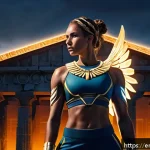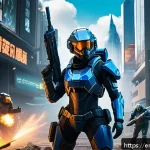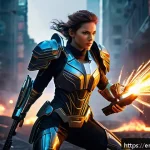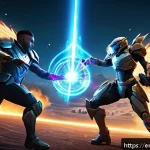
Walking through countless gaming conventions and scrolling endless forums, I’ve seen my fair share of incredible game art, but nothing quite prepared me for the visual feast that is *Goddess of Victory: Nikke*.
Seriously, those character designs just hit different! It’s not just a game; it’s a moving gallery, and for true fans, getting your hands on an artbook is like owning a piece of that magic.
If you’ve ever wondered about the creative genius behind those iconic figures or the sheer dedication poured into every frame, you’re in for a treat. I remember the first time I saw Nikke’s Live2D animations in action – it was jaw-dropping.
As someone who’s collected game artbooks for years, I instantly recognized the immense talent pouring from every pixel, and the physical artbook truly brings that artistry to life.
There’s a tangible quality to flipping through pages that a digital gallery just can’t replicate, a nuance you miss on a screen. In an era where AI-generated content is becoming increasingly prevalent, these meticulously crafted pieces by human artists feel more precious than ever.
They represent countless hours of passion, iteration, and unique vision – something that resonates deeply with collectors and fans alike. Looking ahead, I firmly believe that high-quality, physical artbooks like Nikke’s will only appreciate in value, not just monetarily, but in sentimental worth.
They’re becoming historical artifacts, preserving the ‘human touch’ of game development. This trend towards valuing authentic, artist-driven content amidst a sea of algorithmic art is something I’ve personally observed, and it truly shapes the future of gaming memorabilia.
Moreover, these books foster community; I’ve spent hours discussing specific character designs and hidden details with fellow enthusiasts, creating a shared experience that goes beyond the game itself.
Let’s dive deeper below.
Decoding Nikke’s Signature Art Style: A Visual Language Mastered
The Blending of Traditional Anime and Modern Aesthetics
When I first saw Nikke’s character designs, what immediately struck me was this incredible fusion. It wasn’t just another anime game; there was a contemporary edge, a sleekness, that felt distinctly modern while still paying homage to classic anime tropes.
It’s a delicate balance, and honestly, few games nail it as perfectly as Nikke. The way they manage to imbue each character with such a unique identity, from their flowing hair to their intricate weapon designs, is a masterclass in visual storytelling.
I’ve spent countless hours in the game’s menu just rotating characters, admiring the sheer attention to detail in their outfits and expressions. It feels like every single pixel has been placed with intention, creating a harmonious and vibrant aesthetic that truly sets it apart from many other titles in the mobile gaming space.
This isn’t just about making attractive characters; it’s about crafting an entire universe through art, where even the smallest accessories tell a part of the character’s story.
From the moment I picked up my first Nikke artbook, this blend became even more apparent as I could pour over static images without the distraction of gameplay.
The Emotion and Dynamic Poses: Bringing Characters to Life
One of the core strengths of Nikke’s art, and something the artbook showcases brilliantly, is its incredible dynamism. The characters don’t just stand there; they feel alive, brimming with personality and emotion even in a static image.
This is largely due to the artists’ masterful use of expressive facial features and incredibly dynamic posing. Every stance, every subtle tilt of the head, conveys a narrative.
For instance, I remember seeing early concept art of Rapi in the artbook, and even in those rough sketches, her determination and stoicism shone through.
It’s not just about making them look cool – though they certainly do – it’s about making them *feel* like genuine individuals with their own thoughts and feelings.
This emotional depth, conveyed purely through visual art, is what truly elevates Nikke from a simple game to a living, breathing world. It’s a testament to the artists’ ability to convey complex emotional states and strong character archetypes through their brushstrokes, pulling you deeper into the lore and the individual plights of these battle-hardened women.
I’ve found myself just staring at certain pages, getting lost in the implied stories behind each character’s design.
Why the Physical Artbook Elevates the Experience Beyond Digital Pixels
The Tactile Pleasure and Uninterrupted Immersion
In an age where everything is digital, there’s a profound, almost primal satisfaction in holding a beautifully bound physical artbook. It’s a completely different experience from scrolling through JPEGs on a screen.
The weight of the pages in your hands, the subtle scent of the ink, the texture of the high-quality paper – these are sensory details that a digital file simply cannot replicate.
I’ve found myself getting completely lost in the pages of the Nikke artbook, free from notifications, screen glare, or battery life concerns. It’s an uninterrupted immersion into the artists’ world, allowing you to appreciate the intricate details of each illustration in a way that just isn’t possible on a glowing screen.
There’s a certain intimacy to it; it feels like you’re holding a piece of the creators’ soul in your hands. This isn’t just about looking at pictures; it’s about connecting with the art on a deeper, more personal level.
Every time I open it, it feels like a special occasion, a moment of quiet contemplation and appreciation for the sheer talent on display.
Preserving Artistic Intent: A Stand Against Digital Ephemerality
One of my biggest concerns as a long-time collector is the ephemeral nature of digital content. Games get delisted, servers shut down, and art assets sometimes just vanish into the digital ether.
A physical artbook, however, is a tangible piece of history. It’s a direct preservation of the artists’ original vision, printed at the highest quality, designed to last.
In a world increasingly dominated by fleeting digital experiences, these physical artifacts stand as a testament to the enduring power of art. When I look at my Nikke artbook, I don’t just see images; I see countless hours of human creativity, passion, and dedication, preserved for posterity.
It’s a commitment to the art itself, ensuring that future generations can appreciate the incredible talent behind the game. This table highlights some key differences I’ve personally experienced between the two forms:
| Feature | Physical Artbook Experience | Digital Gallery/Screen Experience |
|---|---|---|
| Tactile Engagement | Weight of pages, texture of paper, scent of ink; a multisensory experience. | Scrolling, tapping; visual only, limited sensory input. |
| Detail & Resolution | High-resolution prints, true color reproduction, often larger scale; no pixelation or compression artifacts. | Resolution limited by screen, potential for compression, glare, and backlight issues. |
| Collectibility & Value | Tangible collectible, potential for appreciation, display item; a treasured artifact. | No inherent physical value, easily duplicated; less personal connection. |
| Preservation | Enduring physical form, immune to server shutdowns or data loss; a permanent record. | Vulnerable to data corruption, file format obsolescence, online platform availability. |
| Immersion | Uninterrupted focus, no notifications, dedicated viewing experience; deep engagement. | Distractions from other apps, notifications, battery drain; fragmented attention. |
Journey Behind the Scenes: Unearthing the Creative Process
From Conceptual Sketches to Finalized Designs: The Evolution
One of the most fascinating aspects of any artbook, and especially Nikke’s, is getting to peek behind the curtain at the creative process. It’s not just about seeing the polished final images; it’s about witnessing the journey.
The artbook includes early conceptual sketches, design iterations that were scrapped, and various stages of character development. I remember being particularly captivated by the evolution of Marian/Modernia – seeing her initial concepts, which were quite different from her final form, truly gave me an appreciation for the iterative nature of character design.
It’s a reminder that even the most iconic characters don’t just appear fully formed; they are the result of countless hours of brainstorming, refining, and sometimes, completely reimagining.
This kind of insight is invaluable for anyone interested in game development or character design, offering a raw, unfiltered look into the minds of the artists.
It’s a humbling experience to see the amount of effort and dedication poured into every single detail, even those that never made it into the final game but were crucial in shaping the characters we now know and love.
The Meticulous Detail: Character Sheets and Environmental Art
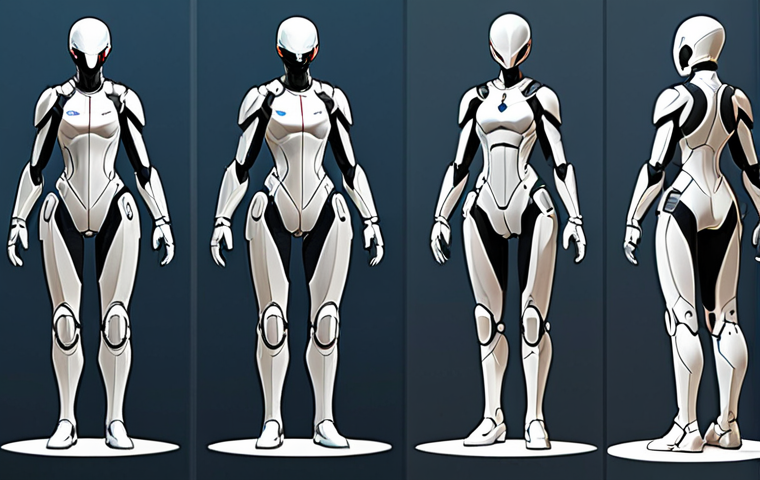
Beyond the character development, the artbook goes deep into the meticulous details that often go unnoticed in the fast-paced action of the game. It features detailed character sheets, showcasing every angle, every piece of equipment, and even the internal mechanisms of some of the Nikkes.
I was genuinely blown away by the intricacy of their mechanical parts, something that you only get fleeting glimpses of in-game. Moreover, the environmental art featured in the book is simply breathtaking.
We get to see concept art for the game’s various battlegrounds, safe houses, and the ruined surface world, providing a much deeper understanding of the lore and the oppressive atmosphere of Nikke’s universe.
These background elements are so crucial for world-building, and seeing them presented with such clarity and detail in the artbook adds layers to the game’s narrative.
It makes you realize just how much thought goes into creating a cohesive and immersive world, even in the smallest background elements that we might often overlook during intense battles.
My Personal Deep Dive: Discovering Hidden Layers and Artist Insights
The Unseen Scraps: Revelations from Early Iterations
As someone who’s always been fascinated by the “what ifs” of creative development, the Nikke artbook delivered beyond my expectations in revealing early conceptual artwork and discarded ideas.
There’s a particular section that shows various preliminary designs for the Raptures, some of which were far more grotesque or abstract than what made it into the game.
It truly blew my mind to see how many different directions the team explored before settling on the iconic enemy designs we fight against. This gives you such a profound appreciation for the creative process—it’s not always a straight line from idea to execution.
Sometimes, the most compelling final products emerge from a long process of trial, error, and radical changes. I spent a good hour just poring over those pages, imagining how the game might have felt with a different kind of enemy aesthetic.
It’s these kinds of raw, unpolished glimpses into the artists’ thoughts that make a physical artbook truly special.
Connecting with the Creators: Understanding Their Vision
What I personally cherish most about this artbook is the sense of connection it fosters with the artists themselves. Many sections include short annotations or interviews from the lead artists, sharing their thought processes, inspirations, and even the challenges they faced during development.
Reading about their struggles to perfect a certain character’s expression or to convey a specific emotion through a pose made me feel a stronger bond with the work.
For example, learning about the particular artistic influences that shaped the overall aesthetic of the Ark’s architecture or the desolate beauty of the surface world added so much more depth to my understanding of the game’s setting.
It’s no longer just a digital product; it becomes a culmination of human vision and effort. This direct line to the creators’ minds is something a simple fan wiki or online gallery can never truly replicate, offering an authentic, unfiltered perspective that enriches the entire experience of being a fan.
The Value Proposition: More Than Just Pages, It’s an Investment
Collecting as an Act of Appreciation and Preservation
For me, collecting game artbooks, especially one as meticulously crafted as Nikke’s, goes beyond mere fandom. It’s an act of profound appreciation for the artists and developers, a way to tangibly support their incredible work beyond just playing the game.
In a world where digital content often feels fleeting, a physical artbook represents a commitment, a belief in the enduring value of that artistic creation.
I view it not just as a book, but as a historical artifact, preserving a snapshot of game development and character design from a specific era. It’s a way to ensure that this beautiful art, which has brought so much joy and immersion to millions, is preserved for years to come, perhaps even for future generations to discover and admire.
This mindset makes every page turn feel more significant, knowing I’m contributing to the legacy of a game that truly resonated with me on an emotional and aesthetic level.
The Growing Market for Premium Gaming Memorabilia
Beyond the personal and historical value, there’s also a clear and growing market for premium gaming memorabilia, and high-quality artbooks like the Nikke one are at the forefront of this trend.
Limited editions, first prints, and books featuring exclusive content often appreciate in value over time, becoming sought-after collector’s items. While I don’t buy these items purely for investment, it’s certainly a pleasant bonus to know that something I cherish also holds tangible market value.
I’ve seen countless examples in online communities where rare artbooks exchange hands for significant sums, showcasing the passion and dedication of collectors worldwide.
This trend reflects a broader recognition of video game art as a legitimate and significant art form, worthy of preservation and collection alongside traditional art.
It’s a testament to the industry’s maturation, and for dedicated fans, it means that investing in these physical artifacts isn’t just about personal enjoyment but also about becoming part of a vibrant and growing collector’s ecosystem.
Fostering Community and Connection Through Shared Visual Stories
Discussing Design Choices and Lore Implications
One of the aspects I absolutely adore about owning a detailed artbook like the Nikke one is how it acts as a catalyst for community engagement. It’s not just a solo experience; it becomes a shared journey of discovery.
I’ve spent countless hours in online forums and Discord servers, dissecting specific character designs, comparing early concepts to final versions, and even debating the lore implications of certain environmental sketches found within the book.
For example, seeing the intricate details of the Ark’s sectors laid out in the artbook sparked entirely new theories and discussions about the social structures and history of humanity within the game’s universe.
It provides a common ground for fans to connect on a deeper level, moving beyond just gameplay mechanics to appreciate the profound artistic and narrative foundations of the game.
It truly enriches the overall fan experience, transforming individual appreciation into a collective exploration of Nikke’s rich world.
The Future of Artbooks: A Nexus for Fans and Creators Alike
Looking ahead, I firmly believe that high-quality, physical artbooks will continue to play an increasingly vital role in fostering community and bridging the gap between fans and creators.
In an era where AI-generated content is becoming more prevalent, the human touch, the raw sketches, and the artist interviews found in these books become even more precious.
They serve as a powerful reminder of the passion, skill, and sheer hard work that goes into creating beloved virtual worlds. Artbooks offer a unique platform for creators to share their unfiltered vision and for fans to connect with that vision in a profound, tangible way.
They’re not just supplemental material; they are becoming essential archives of creative history and vibrant hubs for community discussion. As gaming continues to evolve, the artbook will remain a cornerstone for those of us who appreciate the artistry and dedication that truly brings our favorite virtual worlds to life, allowing us to share that passion with fellow enthusiasts across the globe.
Wrapping Up
In a world increasingly dominated by fleeting digital experiences, the Nikke artbook stands as a vibrant testament to enduring artistry and human creativity.
It’s more than just a collection of images; it’s a tangible journey behind the scenes, a personal connection to the creators’ vision, and a cherished artifact for any true fan.
Owning this book elevates your appreciation for Nikke, transforming a beloved game into a deeper, more immersive narrative. It’s an investment in art, a piece of gaming history, and a constant source of inspiration that pixelated screens simply can’t match.
Good to Know
1. Where to Find Official Artbooks: Always prioritize official sources like the publisher’s online store, reputable international book retailers (like Amazon, Kinokuniya, or specialized anime/manga stores), or direct from the game’s official merchandise shop. Be wary of unofficial reproductions.
2. Caring for Your Artbook: Physical artbooks, especially high-quality ones, are meant to last. Store them away from direct sunlight and extreme temperatures to prevent fading or warping. Consider using clear protective sleeves for extra preservation, especially for rare editions.
3. Digital vs. Physical – The Collector’s Mindset: While digital versions offer convenience, they lack the tactile pleasure, high-resolution fidelity, and long-term collectibility of physical books. For true enthusiasts and collectors, the physical copy is almost always the preferred choice for its intrinsic and potential future value.
4. Look Out for Limited Editions: Many popular game artbooks release limited or special editions, often featuring exclusive content, slipcases, or artist signatures. These can be highly sought after and appreciate significantly in value, so keep an eye on announcements from publishers.
5. Join Artbook Communities: Online forums, Discord servers, and social media groups dedicated to game artbooks are fantastic resources. You can share your collection, discover new releases, discuss artistic techniques, and even find buying/selling opportunities with fellow collectors.
Key Takeaways
The Nikke artbook profoundly enhances the fan experience by offering an unparalleled deep dive into the game’s distinctive art style, dynamic character poses, and intricate world-building.
Owning a physical copy provides a unique tactile immersion and preserves artistic intent against digital ephemerality. It reveals the meticulous creative process from initial sketches to final designs, unveiling unseen iterations and the detailed thought behind every element.
Ultimately, the artbook is not just a collectible; it’s an investment in artistic appreciation, fostering a deeper connection with creators and fueling vibrant community discussions among fans who share a passion for Nikke’s visual storytelling.
Frequently Asked Questions (FAQ) 📖
Q: Given how much digital content we consume these days, what exactly makes a physical artbook, especially for a game like Nikke, feel so much more ‘real’ or valuable in your personal experience?
A: Oh, that’s a question I’ve wrestled with a lot as a collector. Honestly, it comes down to a feeling, almost a primal satisfaction. When you hold a physical artbook, there’s a weight to it, the specific scent of the paper and ink, the satisfying thud as you lay it open.
It slows you down. Instead of endless scrolling and swiping through a digital gallery, where everything feels a bit ephemeral, a physical book forces you to pause, to really look at each spread.
I remember just tracing the lines of a character’s outfit in the Nikke artbook with my finger, noticing tiny details in the rendering that just flew by on my monitor.
It’s like comparing a meticulously plated meal you waited for and savored to a quick, mass-produced bite on the go. The experience is fundamentally different.
In a world where screens dominate, that tangible connection to the art, the deliberate act of curating and binding it, makes it feel profoundly more valuable and personal.
It’s a quiet rebellion against the fleeting nature of digital.
Q: You mentioned physical artbooks appreciating in value, not just monetarily but sentimentally, especially now with
A: I-generated content in the picture. Can you elaborate on why you feel this trend is so strong and how it shapes the future for collectors? A2: Absolutely.
This is something I’ve been watching closely, and it’s a fascinating, almost defensive, trend. With the deluge of AI-generated images flooding the internet, the truly human-crafted, hand-drawn, meticulously iterated artwork in a physical book feels incredibly precious.
It’s a pushback, a yearning for authenticity. Imagine a world where every other piece of art you see online could be AI-made – then suddenly, a physical artbook, knowing it’s the result of countless hours of human passion, iteration, and unique vision, becomes a beacon.
It’s like vinyl records making a massive comeback; it’s about the ritual, the artist’s intent, the history you’re holding in your hands. These aren’t just pictures; they’re artifacts of human endeavor.
For collectors, it’s about preserving that ‘human touch,’ something that can’t be replicated by an algorithm. That scarcity of genuine human artistry, in the face of algorithmic abundance, elevates these books to almost museum-like status.
They become irreplaceable touchstones, not just for the game’s lore, but for the story of human creativity itself.
Q: Beyond the individual enjoyment, how do you see these physical artbooks, like Nikke’s, really building and enriching a community of fans? What’s your personal experience with that?
A: Oh, this is where the magic truly happens! While I love poring over an artbook alone, they become incredible catalysts for community. I’ve personally been at game meetups and conventions where someone pulls out an artbook, and suddenly, a quiet corner erupts into excited chatter.
Everyone leans in, pointing out specific character designs, asking “Did you notice this hidden detail?” or “What do you think was the inspiration for that?” It’s a shared discovery.
Instead of just discussing gameplay mechanics or story beats, you’re delving into the craft behind the game. It creates a deeper layer of connection, a shared appreciation for the immense talent that brought these worlds to life.
It’s like a secret language, a deep dive into the ‘lore’ of the art itself, and that shared appreciation just clicks you instantly with another fan. It solidifies the fandom in a really tangible way, making the shared experience go far beyond just playing the game.
📚 References
Wikipedia Encyclopedia
구글 검색 결과
구글 검색 결과
구글 검색 결과
구글 검색 결과
구글 검색 결과