
Alright, fellow Commanders! You know the feeling, right? Staring at your Nikke roster, wondering if you’ve got the perfect support squad to push through those tough stages or dominate in the arena.
Trust me, I’ve been there, endlessly tweaking my teams, trying to figure out if that new character really changes the game, or if my trusty OGs still reign supreme.
The meta in Goddess of Victory: Nikke is always shifting, and keeping up can feel like a full-time job! It’s not just about raw healing or shield numbers anymore; it’s about synergy, burst generation, and how each Nikke empowers your damage dealers to absolutely obliterate the opposition.
Finding that sweet spot, that perfect blend of buffs and utility, can be the difference between a triumphant victory and a frustrating defeat. I’ve spent countless hours diving deep into character stats, testing different compositions, and watching how the top players strategize, and I’ve learned a ton about what truly makes a support Nikke shine.
If you’re ready to stop guessing and start building a genuinely formidable team that tackles any challenge Nikke throws at you, then you’ve come to the right place.
Let’s get into the nitty-gritty and figure out how to pick those game-changing support characters that will elevate your gameplay to the next level. We’ll uncover all the secrets to mastering your support lineup right below.
Understanding Your Team’s Core Needs

Alright, Commanders, let’s get real for a second. The biggest mistake I see players make when picking supports isn’t about stats; it’s about not knowing what their team *actually* needs. You can’t just slap the “best” support into any squad and expect magic. Trust me, I’ve tried that, and it often leads to disappointing results and wasted resources. It’s like trying to fit a square peg in a round hole – it just doesn’t work! Before you even *think* about who to put on your team, take a good, hard look at your main damage dealers. Are they burst-heavy and need constant energy? Do they have a slow fire rate that requires attack speed buffs? Or maybe they’re super squishy and need consistent healing or shielding to survive? I’ve found that asking these questions upfront saves me so much grief later on. My personal rule of thumb is to identify the weakest link or the biggest bottleneck in my current team composition. Is it survivability? Is it not hitting damage thresholds? Is it inconsistent burst uptime? Once you nail that down, the path to finding the perfect support becomes incredibly clear, guiding your choices from a sea of options to a targeted selection that genuinely elevates your gameplay. It’s less about chasing the meta and more about understanding your unique squad’s heartbeat.
Assessing Your Main DPS
- Consider their damage scaling: Do they benefit more from ATK buffs, crit buffs, or elemental damage boosts?
- Identify their vulnerabilities: Are they easily killed, or do they have mechanics that require specific support to activate?
Identifying Team Bottlenecks
- Low survivability: Do your units constantly get knocked out before the fight is over?
- Inconsistent burst generation: Are you struggling to get your bursts off frequently enough?
Mastering Burst Generation and Skill Synergy
Oh boy, this is where Nikke truly shines, and it’s also where many players get tripped up. Burst generation isn’t just a mechanic; it’s an art form, a dance between your characters that dictates the flow of battle. I can’t tell you how many times I’ve tweaked my team, swapping out one support for another, only to find my burst gauge filling up like magic, or conversely, crawling along at a snail’s pace. It’s not just about having a high Burst Generation stat; it’s about how their skills interact and build that critical energy. Some supports are absolute titans in this regard, funneling burst energy into your main DPS like a firehose. You also need to consider skill synergy – do your support’s buffs align perfectly with your DPS’s peak damage windows? For instance, if you have a DPS that deals massive damage during their own burst, a support that provides a huge ATK buff *before* or *during* that window is exponentially more valuable than one whose buffs fall out of sync. I’ve personally seen my damage numbers skyrocket just by aligning burst timings and skill activations, making even under-geared units feel like absolute powerhouses. It’s all about creating a beautiful, destructive symphony of skills.
Optimizing Burst Cooldowns
- Prioritize supports with low burst cooldowns or skills that reduce other Nikkes’ cooldowns.
- Ensure you have a balanced distribution of Burst I, II, and III characters to maintain a smooth rotation.
Aligning Buffs and Damage Windows
- Understand when your main DPS characters deliver their peak damage (e.g., during their burst, after a certain skill).
- Select supports whose buff durations and activations perfectly coincide with these critical damage windows.
The Great Debate: Healers, Shielders, and Damage Mitigators
This is a classic conundrum, isn’t it? “Do I need a healer or a shielder?” I’ve wrestled with this question more times than I can count, especially when pushing through those notoriously difficult campaign stages or trying to climb the ranks in PvP. My initial instinct was always to go for the biggest healer, thinking more HP meant more survival. But what I quickly learned, through a lot of trial and error (and more than a few frustrating defeats), is that it’s rarely that simple. Sometimes, a well-timed shield can completely negate an incoming attack that would have wiped my team, whereas a healer might not be fast enough. Other times, consistent, smaller healing keeps everyone topped off and prevents the need for a panic heal. Damage mitigators, like those who reduce incoming damage percentage-wise, often get overlooked but can be absolute game-changers, especially against bosses with massive, unavoidable attacks. It’s about proactive defense versus reactive recovery. I’ve found that having a mix, or at least understanding the specific threats of a stage, helps me decide whether I need to absorb the hit, prevent the hit, or recover from the hit. It’s a delicate balance that can make or break your run.
Proactive vs. Reactive Defense
- Shields and damage reduction are proactive, preventing damage before it occurs.
- Healers are reactive, restoring HP after damage has been taken.
Understanding Enemy Attack Patterns
- Against burst damage or one-shot mechanics, shields and damage reduction often outperform pure healing.
- Against consistent, moderate damage over time, strong healers maintain team survivability.
Unleashing Buffs and Debuffs: The True Power of Support
Honestly, this is where the meta really shifts, and a savvy player can gain a massive advantage. While big damage numbers from your DPS are flashy, the subtle power of buffs and debuffs is what truly separates good teams from great ones. I used to think buffs were just a small percentage boost, nothing to write home about. But after diving deep into team compositions and watching how top players strategize, I realized I was dead wrong. A well-placed ATK buff, a critical rate increase, or a damage amplification debuff on an enemy can literally double or triple your overall team damage. It’s not just about adding numbers; it’s about multiplicative scaling. Imagine your DPS hitting for huge numbers, and then a support applies a debuff that makes the enemy take 30% more damage – that’s just insane! And don’t even get me started on critical hit buffs; they can turn an average damage dealer into a crit monster. I’ve personally experienced the joy of seeing my team melt bosses that previously felt impossible, all thanks to stacking the right buffs and debuffs. It’s a strategic layer that, once mastered, opens up a whole new world of possibilities and makes your team feel incredibly potent.
The Multiplicative Advantage
- Focus on buffs that scale well with your main damage dealer’s kit (e.g., ATK%, Crit Rate/Damage).
- Prioritize debuffs that amplify damage taken by enemies or reduce their combat effectiveness.
Common Buff and Debuff Types
| Category | Description | Example Effect |
|---|---|---|
| Attack Buffs | Increases a Nikke’s or team’s Attack stat. | +X% ATK for Y seconds |
| Crit Buffs | Increases Critical Hit Rate or Critical Damage. | +X% Crit Rate, +Y% Crit Damage |
| Damage Taken Debuffs | Causes enemies to receive more damage. | Enemy takes +X% damage from all sources |
| Defense Down Debuffs | Reduces an enemy’s Defense stat. | Enemy DEF -X% |
| Crowd Control | Immobilizes or hinders enemies. | Stun, Silence, Taunt |
Niche Picks and Situational MVPs: When to Deviate from the Norm
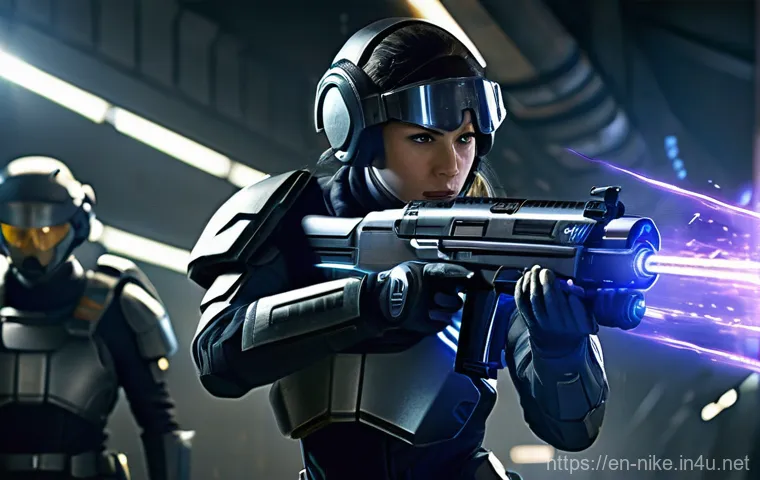
Alright, so we’ve talked about the big hitters and the essential mechanics, but what about those quirky supports, the ones that don’t always make the “top tier” lists but absolutely shine in specific scenarios? This is where my personal experience really comes into play, because I’ve seen these “niche” Nikkes completely turn the tide of battle when everyone else was struggling. It’s easy to get caught up in the hype of the latest meta darling, but sometimes, the true genius lies in recognizing a character’s unique strength for a particular challenge. Maybe a boss has an annoying mechanic that only a specific crowd control skill can counter, or perhaps a certain stage is littered with enemies that are vulnerable to a very particular element that a seemingly “underwhelming” support can apply. I remember a specific boss fight where my usual go-to supports just weren’t cutting it. Frustrated, I swapped in a Nikke I rarely used, whose skill seemed perfect for that one specific boss mechanic, and boom! The fight became manageable. It felt incredibly satisfying, like uncovering a secret weapon. So, don’t be afraid to experiment! Your roster is full of potential, and sometimes, the best solution isn’t the most obvious one. Trust your gut and try out those unique kits.
Analyzing Specific Stage Mechanics
- Look for unique boss abilities or enemy types that might require specific counter-skills.
- Consider environmental factors or stage conditions that could favor certain Nikkes.
Unlocking Hidden Potential
- Don’t dismiss Nikkes purely based on general tier lists; their value can skyrocket in the right context.
- Experiment with unconventional team compositions to discover unexpected synergies.
Investing in Your Supports: Gear, Skills, and Overloads
Let’s be honest, it’s easy to pour all our resources into our main damage dealers. We want to see those big numbers, right? I’m totally guilty of it. But I’ve learned, sometimes the hard way, that neglecting your supports is like building a Ferrari with bicycle tires. They might not be the ones getting the glory kills, but they’re the engine that keeps your whole operation running smoothly. Investing in their gear, leveling up their skills, and yes, even diving into the sometimes-frustrating world of Overload equipment, can make a monumental difference. A well-geared support with maximized skills can provide buffs that are stronger, last longer, and activate more frequently, essentially supercharging your entire team. I’ve seen my team’s overall performance jump dramatically just by focusing on getting my supports a few key Overload pieces with beneficial substats like skill cooldown reduction or increased ATK for their buffs. It feels less flashy than seeing your DPS crit for millions, but the overall impact on your success rate is undeniable. Think of it as investing in the foundation of a skyscraper; it’s not the penthouse view, but without it, nothing else stands a chance. Your supports are the unsung heroes who deserve that love and attention!
Prioritizing Skill Upgrades
- Identify which support skills provide the most critical buffs or utility and prioritize leveling those.
- Balance skill upgrades across your core support units rather than maxing one at the expense of others.
Strategic Gear and Overload Choices
- Focus on gear that enhances their primary role (e.g., HP for healers, ATK for buffer-supports).
- Look for Overload substats that reduce skill cooldowns or improve the effectiveness of their critical buffs.
Adapting to the Shifting Sands: Staying Ahead of the Meta
If there’s one constant in Nikke, it’s change. The meta is a living, breathing beast, constantly evolving with every new Nikke release, every balance patch, and every new event. What was top-tier last month might be a niche pick today, and something overlooked could suddenly become indispensable. I’ve personally experienced the whiplash of investing heavily in a certain character only for a new release to completely shift the paradigm. It can be frustrating, for sure, but it’s also what keeps the game fresh and exciting! The key, in my opinion, isn’t to chase every single new character, but to understand *why* certain characters rise and fall. Is it a new boss mechanic that hard-counters an old strategy? Is it a new character whose synergy with existing units creates an overpowered combination? Staying connected with the community, watching content creators who analyze patches, and most importantly, experimenting yourself, are crucial. I always try to keep a flexible mindset and be ready to pivot my strategies. It’s like a grand chess game, always trying to anticipate the next move. Don’t be afraid to pull out those less-used Nikkes from time to time; you might just discover the next meta-defining support hiding in plain sight!
Engaging with the Community
- Follow popular Nikke content creators and community discussions for early insights into meta shifts.
- Participate in discussions and share your own findings to contribute to the collective knowledge.
Continuous Experimentation
- Regularly test new team compositions and adapt your support lineup based on current challenges.
- Be open to revisiting older Nikkes if new synergies or patches bring them back into relevance.
Wrapping Things Up
Whew! We’ve covered a lot today, haven’t we? It’s clear that mastering your support lineup in Nikke is a journey, not a destination. From diving deep into your team’s unique needs to strategically buffing your way to victory, every choice matters. Remember, it’s not always about chasing the highest tier list numbers; it’s about understanding the intricate dance of synergy that makes your squad truly unstoppable. I’ve found that the real magic happens when you start trusting your own insights and experimenting fearlessly, truly unlocking the hidden potential within your arsenal.
Handy Tips You’ll Be Glad You Knew
1. Always check the elemental advantage of a stage. A slightly weaker support with elemental synergy can often outperform a stronger, off-element unit. It’s a game-changer I learned the hard way in some tough boss battles, trust me on this one!
2. Don’t be afraid to reset skill levels on supports you’re not using anymore. It’s a fantastic way to reclaim precious resources like Skill Manuals and reallocate them to your new favorites, especially when the meta shifts or you pull a game-changing Nikke.
3. Join a good Union! The Union Raid rewards and shared knowledge from veteran players can dramatically accelerate your progress. Plus, it’s just more fun and less isolating to play with a supportive community, and you might even find some amazing tips.
4. Keep an eye on limited-time events. Often, these events introduce unique gear or resources, like high-tier materials or exclusive equip, that are perfect for powering up your supports, offering an edge you won’t get from standard farming alone.
5. Experiment with different Burst I and Burst II supports. Having options for both healing/shielding and offensive buffs in those slots gives you incredible flexibility for tackling different challenges. I’ve personally found myself swapping these out constantly based on the enemy composition!
Key Takeaways to Power Up Your Game
To truly elevate your Nikke experience and dominate the battlefield, remember these golden rules: prioritize understanding your team’s specific needs over blindly following general meta lists – every squad is unique. Master the intricate art of burst generation and skill synergy to unleash devastating, perfectly timed combos. Strategically choose between healers, shielders, and damage mitigators based on the precise threats you face in each encounter, adapting your defense proactively. Leverage the immense, often underestimated, power of buffs and debuffs to multiply your damage output and cripple your foes. Don’t shy away from niche picks for situational advantages; sometimes, the most unexpected Nikke is your secret weapon. And always, always remember to invest in your supports’ gear and skills – they’re the unsung heroes and the very backbone of your success. Finally, embrace the ever-changing meta with an open mind and a continuous willingness to adapt and experiment. Happy commanding, fellow Admirals, and may your battles be ever victorious!
Frequently Asked Questions (FAQ) 📖
Q: Who are the absolute must-have support Nikkes you just can’t skip in the current meta, especially if I want to really push content?
A: Oh, this is a question I hear all the time, and believe me, it’s one I’ve grappled with myself as the meta constantly evolves! From my personal experience diving deep into countless stages and Union Raids, there are a few support Nikkes that have truly become non-negotiables for optimizing your team.
If you’re looking to hit hard, cycle bursts like a pro, and keep your damage dealers happy, you absolutely need to prioritize Liter. She’s a Burst I unit, and honestly, she’s in a league of her own.
Her cooldown reduction, massive team-wide attack buffs, and even a little cover HP recovery just make her indispensable. She smooths out your burst rotation like butter, letting you unleash your full power much faster, which is key to tackling high-difficulty content.
Then, for your Burst II slot, Crown has become an absolute game-changer. I remember when she first dropped, everyone was talking about how she basically rewrote the rules for B2s!
Her ability to provide insane ammo capacity buffs is a huge deal for many top-tier DPS units, especially those with high ammo consumption. But it’s not just that; her shields, taunt, and even reload speed buffs ensure your damage dealers stay alive and keep firing without those frustrating interruptions.
Paired with a healer like Helm (especially her Treasure version), Crown truly shines, activating her potent ATK buffs when she receives healing. And let’s not forget about the dynamic duo, Blanc and Noir.
If you have them together, they create what we lovingly call the “Bunny Twins” synergy. Blanc is a phenomenal Burst II healer and buffer who sets up Noir’s devastating Burst III damage.
They reduce Blanc’s cooldown, give healing, and boost attack, making your team incredibly resilient and powerful. While you can run them separately, their combined power is just undeniable, pushing your damage to wild new heights and making even the toughest battles feel manageable.
Trust me, investing in these core supports will drastically elevate your gameplay and make those impossible stages suddenly seem conquerable.
Q: I always feel like I’m struggling with sustainability or not dealing enough damage. How do I find that sweet spot between healing my team and buffing their damage? It feels like I’m always picking one or the other!
A: Oh, you’ve hit on one of the biggest dilemmas in Nikke team building, and it’s a feeling I know all too well! For a long time, I thought “more healing equals more survival,” but I quickly learned that it’s rarely that simple.
The current meta, from what I’ve personally experienced, really emphasizes damage amplification and burst cycle efficiency over raw, pure healing. It’s not just about surviving; it’s about ending the fight before you need excessive healing!
Think of it this way: your best defense is often a good offense. Many top-tier support Nikkes, like the ones we just talked about – Liter, Crown, the Bunny Twins – offer a fantastic blend of offensive buffs (attack, critical rate/damage, ammo capacity) with just enough defensive utility (shields, cover repair, some healing) to keep your damage dealers alive.
For instance, while Liter provides cover healing, her main role is to get your bursts flying and your attack stats through the roof! I’ve personally found that relying on “heal-on-hit” mechanics or strategic shielding/damage mitigation, often from your supports, can be more effective than stacking multiple pure healers.
Take Scarlet, for example, a queen of DPS. She thrives on being at lower HP, so you don’t want to constantly top her off. Instead, you pair her with supports that offer just enough sustain to keep her from outright dying, like a well-timed shield or a small heal-on-hit, rather than full-blown healing.
Crown’s ability to proc an ATK buff when she receives healing is another brilliant example of this synergy – you bring a healer like Helm, not just for survival, but to unlock even more damage from Crown!
It’s about being smart with your resources and letting your supports empower your damage dealers to clear the threats faster, reducing the overall damage your team takes.
Q: Burst generation feels like a mystery sometimes! What’s the secret to getting my bursts off consistently, and why is it such a make-or-break element in Nikke?
A: Ah, burst generation! If there’s one thing I’ve learned in Nikke that truly separates a struggling Commander from a thriving one, it’s mastering that burst gauge.
It’s not just important; it’s the entire heartbeat of your team’s damage output and overall strategy. Trust me, I used to just auto-battle and wonder why my team felt so sluggish, only to realize I was completely missing the nuances of burst generation!
Here’s the lowdown: the burst system, that beautiful 1-2-3 sequence, is where all your Nikkes’ powerful skills truly come alive. Without consistent bursts, your damage dealers aren’t getting their buffs, enemies aren’t being debuffed, and you’re just not hitting your full potential.
The “secret sauce” largely comes down to weapon types and how you’re engaging enemies. From what I’ve observed, Rocket Launchers (RLs) and Shotguns (SGs) with clip reload mechanics are your absolute best friends for filling that burst gauge.
They generate a ton of energy per hit. SMGs and Machine Guns, on the other hand, are generally a bit slower in this department. So, when you’re picking your supports, especially your Burst I and II units, try to lean into those high burst-generating weapon types if you can.
Another big tip I picked up is that hitting multiple enemies or even structures will generate more energy. So, in stages with lots of mobs, a support with AoE capabilities can quickly fill that bar.
And don’t forget bosses! Hitting boss enemies gives you extra burst energy, so focusing fire is key. In PvP, a fast burst generation team often wins because getting that first burst off can snowball into victory.
Characters like Jackal are legendary in PvP for their burst generation speed. Sometimes, a little manual play, especially with certain Sniper Rifles or Rocket Launchers, can also make a huge difference in how quickly you charge that gauge by rapidly tapping shots rather than fully charging.
It sounds small, but those seconds really count! Once you get a feel for which Nikkes fill that bar fastest and position them strategically, your whole game will feel smoother and infinitely more powerful.